Can Mental Health Issues Be Detected Using Medical Imaging?
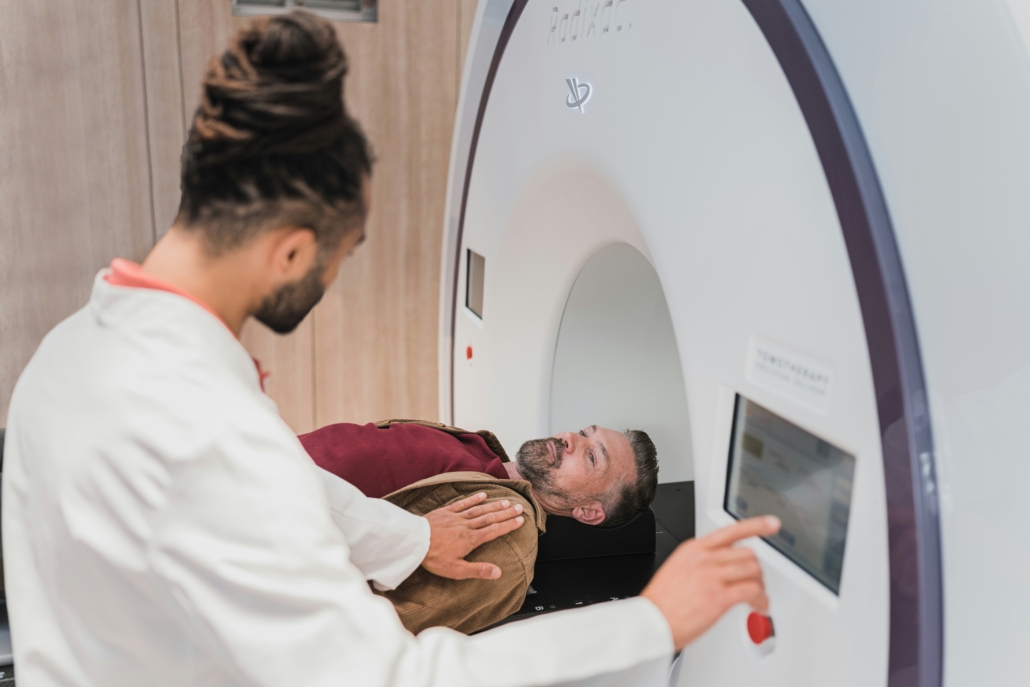
Diagnosing mental health issues can be complex, as there is a combination of physical, neurological and emotional symptoms that psychiatrists and neurologists use to diagnose conditions. Could everyday medical imaging solutions help here?
A recent study by researchers at the University of Copenhagen and Copenhagen University Hospital in Denmark has revealed that it is possible to use magnetic resonance imaging (MRI) scans to detect variations in the brain that have been connected with some mental health conditions.
It found that certain mental health conditions were linked to changes in brain structure, such as:
- A smaller thalamus, the section of the brain in charge of memory, learning, sleep, movement and sensory information.
- A smaller amygdala, which is a section of the brain in charge of emotional regulation.
- Larger ventricles, which produce and store cerebrospinal fluid.
- A thinner cerebral cortex, the outer brain layer of nerve cells, which plays a huge role in personality, intelligence, emotional control, thought and decision-making.
Whilst this study primarily built on the work of the ENIGMA Consortium, which had worked to develop and collate smaller-scale neurological studies in order to create large-scale meta-analyses, confirming findings was complicated by inconsistencies between the studies they used.
The hope was to use routine clinical data obtained through non-invasive imaging tools, such as MRI, to examine changes in the structure of the brains of people diagnosed with mental health conditions.
If this is possible, then everyday medical scans available in hospitals and community diagnostic centres could also be used to provide a much greater insight into mental health care.
Medical scans, unlike the higher-quality scans ENIGMA uses for research, also include a complete medical history and can thus provide insight into how the progression of mental health conditions affects the structure of the brain and whether it is possible for them to be detected earlier.
There were some limitations in terms of scale, with some conditions being excluded due to a lack of data, but the principle provides promise that a very different approach to mental health diagnostics could arrive in the future.