Could Improvements In Medical Imaging Lead To Fewer Biopsies
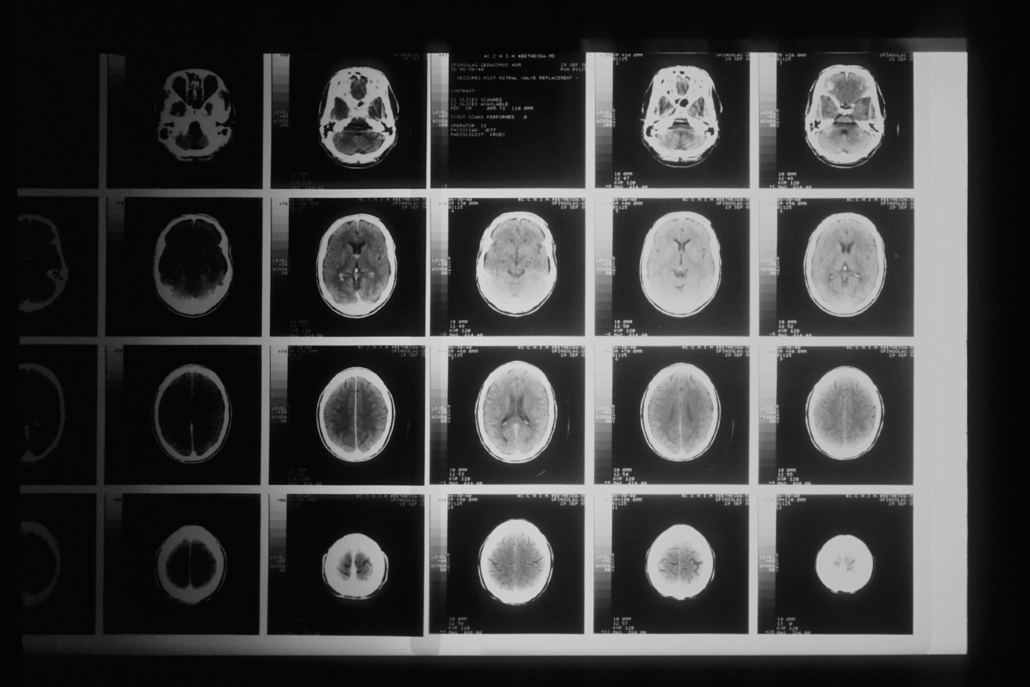
A major dilemma in medical imaging systems is balancing access with accuracy, and anything that can improve the accuracy of readily accessible medical images can reduce the need for unnecessary procedures.
A common example of this is found when diagnosing breast cancer using an ultrasound scan, which are typically used in place of a mammogram if you have a lump to test if it is a tumour or if it contains fluid and is therefore a cyst.
However, not all solid masses are cancerous tumours, so the protocol for many oncologists is to arrange a biopsy, an intrusive procedure that has greater risks than non-intrusive scans and can be uncomfortable if not outright painful.
Whilst biopsies are one of the only ways to confirm a cancer diagnosis, the Breast Cancer Research Foundation found that 80 per cent of them will return a negative result, causing unnecessary anxiety and alarm through unnecessary testing.
However, a research team led by Quing Zhu of Washington University in Saint Louis has developed an alternative diagnostic process using a combination of ultrasound and diffuse optical tomography (DOT), which can provide greater insight into a lump on the breast.
The study itself, which tested 226 women who had been scheduled for a routine biopsy, found that the ultrasound and DOT combined process, which can be undertaken using a handheld device, found differences between benign and cancerous lumps in the breast.
Cancerous growths have a lower level of oxygen and a higher concentration of haemoglobin compared to benign ones, with more aggressive cancers having even more noticeable results.
In a study where radiologists had the ability to review the DOT measurements, the number of biopsies of what turned out to be benign lumps was cut by a quarter, allowing for less intrusive but more precise diagnoses using equipment that more doctors are likely to have access to.
However, the DOT technique has also been combined with X-ray mammograms, 3D mammograms and MRI scans, although due to the need for specialist equipment, the benefits are not quite as significant as they appeared with ultrasound.