Cloud medical image storage - doctor holding heatlh icon

Artificial intelligence (AI) has been playing an increasingly significant role in the healthcare sector in recent years, particularly when it comes to machine learning (ML). 

ML involves analysing a substantial quantity of data to make informed decisions, or in the case of the medical sector, coming up with a diagnostic formula. The more the software is used, the more precise the outcomes are, as ML is exposed to increasing numbers of statistics. 

The good thing about using ML is that it can look at huge amounts of data, such as tens of thousands of patients and millions of molecular biomarkers, to create an accurate analysis.

Being able to digest this information, including structured and unstructured data, as well as variations or inefficiencies in the result, it can identify patterns using complex datasets. 

This means it can identify what combination of genetic and epigenetic biomarkers are associated with particular diseases.

This helps when it comes to diagnostics, as it can draw conclusions from this data or probabilities of developing health conditions in the future. Therefore, doctors can take immediate action in treating patients or using preventative interventions to reduce their risk of falling ill. 

This also means patients who are deemed high risk can be seen quickly, and hospitals have a better understanding of how to prioritise their resources. 

ML, therefore, can make conclusions much more quickly than a human can, which means it can help with earlier detection, boosting the success rate of treatments. 

It is also able to create care plans and tailor them to individual patients so they receive the most appropriate medical intervention. By using the patient’s biomarkers and risk factors, it can estimate drug responses and assign the most effective course of treatment.

To find out more about cloud medical image storage for use in machine learning, get in touch with us today.
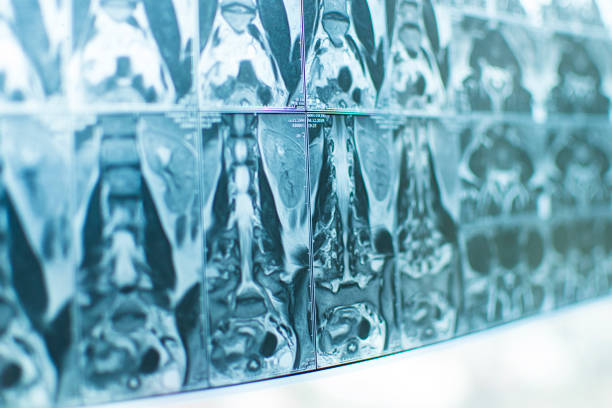
medical imaging - medical image

The use of artificial intelligence as a tool to help with the detection of potential medical conditions through medical imaging has become a particularly animated field of study, but one particular study has generated significant interest.

Published in The Lancet Oncology, the study claimed that a dedicated image reporting and data system focused on prostate cancer was better on average at detecting clinically significant cases compared to radiologists.

As with many studies with conclusions of this significance, there are caveats to bear in mind, the biggest of which revolves around the difference between study readings and multidisciplinary routine practice.

There were two parts of the study, one which involved study readings of a set of radiologists compared to the PI-RADS system whilst the other compared the AI readings to historical ones made in real-world conditions with a multidisciplinary system.

The first test, according to the description of the clinical trial, was a head-to-head comparison between a radiologist and an AI, with the former limited to using the same variables that the AI has access to.

In this first part of the test, PI-RADS was noticeably better, which is in line with a lot of machine learning detection algorithms being at a comparable level to radiologists but able to detect and report the information quicker than a human could.

The second part of the test is somewhat less conclusive and highlights the fundamental difference between comparing AI against an individual experienced radiologist and a multidisciplinary team able to explore the information from different perspectives in real-world conditions.

As well as this, the test was on 10,000 MRI tests, which is a relatively small proportion of tests to draw conclusions about its clinical applicability.

However, it is also a promising study and highlights the level of progress machine learning has made with detecting prostate cancer, and the potential for an AI support tool to highlight cases that merit further examination could be potentially life-saving.

medical imaging - Medical Imaging

Whilst many radical revolutions in medical imaging are focused on new approaches to designing imaging machines and taking advantage of machine learning to allow for accurate results with less expensive and intensive machines, there are other, even more fascinating use cases being explored.

One of the most fascinating implementations of accurate three-dimensional medical imaging technologies such as computed tomography and magnetic resonance imaging is found in the Mayo Clinic’s 3D anatomic modelling laboratory.

This laboratory converts accurate medical images into personalised, detailed models using three-dimensional printing, allowing for tactile visual aids to help patients understand potential procedures. However, researchers at Mayo Clinic are exploring the potential to go even further than accurate impressions.

The research team is exploring the potential of using a 3D bioprinter, which uses biocompatible cell structures to “print” tissue structures that could be used for research and potentially even therapeutic purposes.

Because these models would effectively be alive, they could be used to help in the study of the progression of diseases and screen for a range of conditions such as the final stages of organ failure, defects in bone and cartilage density and inflammation.

Its use in disease models would allow for more focused laboratory testing of treatments and medication in close to real-world conditions, but it could go beyond this and potentially lead to treatments in and of itself.

The end goal for the research team is to check the technology’s feasibility for bioprinting tissue and potentially even functioning organs.

The implications of this technology if it were to successfully bioprint organs is almost impossible to comprehend but the complex nature of organ structures has currently made such an ambition extremely challenging.

Networks of blood vessels need to be printed at scale, something that the current bioprinted structures have struggled with.

As well as this, there is the issue of potential organ rejection, which is a problem with transplantation in general, but were it to be overcome, it could potentially change the world.

medical imaging - X-ray dental problem scan

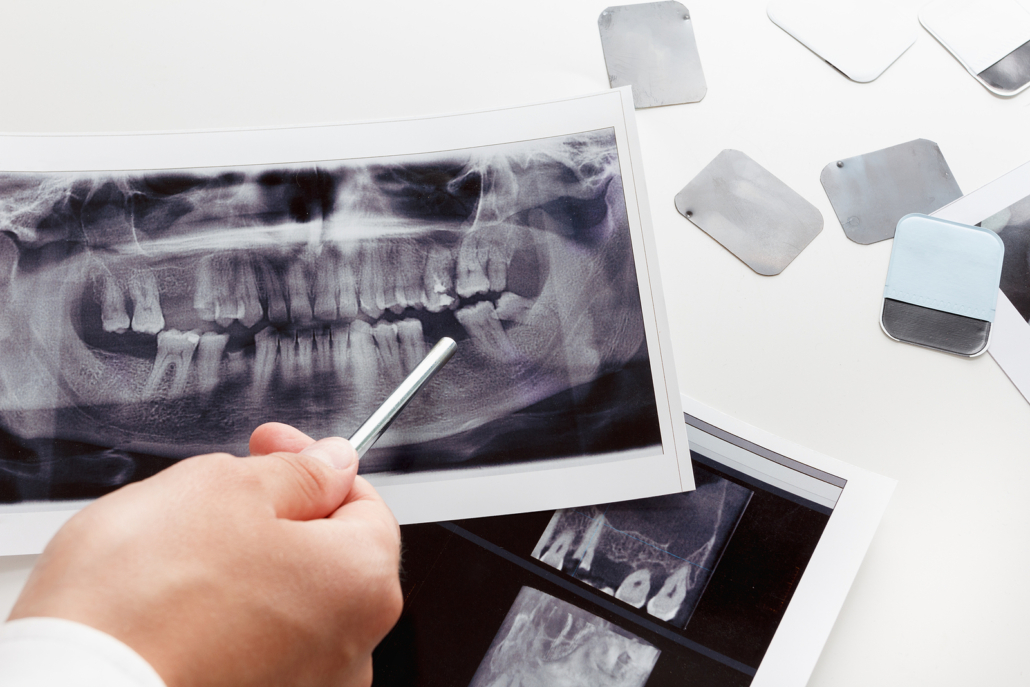
It is rare for sugary snacks to be at all relevant to medical imaging, and even rarer for said sweets to be positively linked to dental health, but a study found that sweets could potentially lead to better mouth X-rays.

The study, published in the Journal of Medical Radiation Sciences, was focused on potential solutions to the issue of tongue placement, a common concern with dental X-rays that can often lead to multiple scans being taken unnecessarily.

Patients are typically told to hold their tongue against the roof of the mouth, but this position can be difficult to maintain.

The best solution, according to the study, was to take a piece of fruit leather and place it against the roof of the mouth.

Fruit leather, also known as Fruit Winders in the UK, Fruit Roll-ups in the United States,  and Fruit-by-the-Foot elsewhere, is a thin fruit-flavoured strip that has a lot of different guises but is known for being very thin, very sticky and having particularly strong flavours.

It was found that the fruit flavour helped keep the tongue in place better than chewing gum, medical tape or nothing at all, and the differences were particularly stark.

In three-quarters of the X-ray sessions where a dentist used a strip of fruit leather, there were no problems with taking medical images that were of a high enough quality on the first attempt. 

By contrast, when no adhesive aid was used at all, this figure drops from 75 per cent to just 36 per cent.

The consequences of this are significant. Not only does this save time and potentially money depending on if the patient used a private dentist, but it also exposes them to less radiation through the need for a second X-ray, as well as tasting delicious in the process.

It not only highlights the rather amusing fact that sweets can sometimes help protect teeth but also that a simple solution can be enough to improve imaging significantly.

online radiology reporting - Medtech medical technology information i

Although there is lots of innovative technology available these days, it can often take a long time before it is implemented in the NHS. This is why NICE, together with NHS England, have launched proposals to fast-track funding for these innovations, which could provide a big boost to the service. 

Patients, clinicians, and academics are being invited to leave feedback on the proposals as part of a consultation, which will run for 12 weeks. 

Mark Chapman, director of the Health Technologies Programme at NICE, said medical technology, such as online radiology reporting, is developing so quickly that products need to be adopted at a faster rate by the NHS to be able to provide the best care. 

“This new pathway aims to ensure that patients in every area of the country can benefit from the best products, devices, digital technologies, or a diagnostic innovation,” he stated.

Automated funding means there would be routine commissioning for products as long as they meet certain criteria, which will provide MedTech developers with certainty they will receive NHS funding for their innovations. 

The consultation is expected to close at midnight on Thursday August 15th, with Dr Vin Diwakar, interim medical director for transformation at NHS England, saying it is hoped both the public and those in the industry will provide feedback to develop the MedTech pathway. 

This, he comments, will ensure the outcome will benefit patients in the best way possible.

NHS England recently announced an investment of £1 million to improve access to patient data across seven trusts. 

The Wireless Trials programme is intended to provide a secure and fast solution to network accessibility and connectivity. This will mean clinicians can see data much more quickly and they will not have to do as many administrative tasks that take away time with their patients.

medical cloud storage - Electronic medical record

The NHS is focusing on boosting its cloud computing software, as well as other wireless solutions, in order to improve patient care across the country. 

NHS England has announced it will invest £1 million to seven trusts, which will boost connectivity and enable different departments to access patient information more easily. 

It comes as part of the Wireless Trials programme, which also aims to relieve medical staff of administrative jobs so they can spend more time with their patients.

Dan Prescott, group chief information officer at Manchester University NHS Foundation Trust, which is one of the trusts being awarded funding, spoke highly of the investment. 

He said: “With the Wireless Trial, we’re aiming to create a reliable, fast and secure network access solution to address unexpected connectivity issues, even in areas of poor connectivity.”

“This is vital in supporting key initiatives for our staff and giving our patients the best possible care,” Mr Prescott added. 

Manchester University NHS foundation Trust plans to use the money to improve connectivity across ten hospital sites, as well as its other community facilities. It will do this by combining satellite and medical cloud storage solutions. 

The North West and East of England ambulance service trusts intend to improve connections in both A&E and ambulance areas. They want to make the transfer of patient data much faster, so the information can go from paramedics to hospital staff as quickly as possible through the cloud connections. 

Wireless Trials have been taking place since 2021, with the NHS using these opportunities to improve new technological solutions for hospital trusts so they can boost connectivity between their sites.

medical imaging - medical imaging

Medical imaging has been a critical part of diagnosing unseen illnesses and injuries for over a century, and yet despite this, the evolution of imaging technologies has only intensified over the years.

The most recent developments involve the use of artificial intelligence to help streamline and speed up the process of creating medical images and detecting samples which have the potential to display markers of diseases.

However, even as early as the first X-ray, there have been myths and misconceptions about the technology, as well as common beliefs that are not quite true.

Here are some of the most common and the truth behind them.

MRIs Do Not Generate Radiation

Given that the first diagnostic imaging technology was the X-ray, and systems such as CT scans rely heavily on radiography to function, there is an assumption that any diagnostic equipment also involves radiation.

However, that is not the case when it comes to MRI. Short for magnetic resonance imaging, MRI scans do not use radiation but instead use a strong magnetic field and radio waves to create images of the body.

As well as this, ultrasound scanners use sound waves rather than radiation to generate images.

Ultrasounds Are Highly Versatile

There is a perception that ultrasounds are only used for scans on pregnant women, but they are also a fast, effective baseline scan used to check abdominal organs, blood vessels, the heart and even the joints and muscles.

X-Rays Are Still Evolving

The first X-ray was generated by accident in 1895, but do not confuse this century of history with an antiquated approach, as X-rays are not only a widely used technology but one that is rapidly developing and at the cutting edge of diagnostic technology.

The technology is still used to provide quick, affordable imaging results when a basic scan of the body is all that is needed, with digital X-rays providing even more efficient results.

Beyond this, X-rays are a core component of computer tomography (CT) scans, which work by essentially taking X-ray scans at multiple angles and splicing the results using highly advanced computers.

cloud storage for medical images - Patients With COPD

Over the last few years, the medical industry has been transformed by technological advancements, including the increased use of cloud storage for medical images, artificial intelligence (AI), and online diagnostic tools. 

One of the most recent developments is the use of digital technologies to help patients in need of rehabilitation and therapy. 

The National Institute for Health and Care Excellence (NICE) recently revealed two online programmes have been recommended for people with chronic obstructive pulmonary disease (COPD). 

While nine out of ten COPD patients who complete a rehabilitation programme state it helps them achieve a better quality of life, face-to-face appointments are only offered to 13 per cent of those who are eligible. 

That is why myCOPD and SPACE for COPD have been recommended by NICE’s medical technologies advisory committee, which are designed to provide exercise and education so that patients can better manage their condition. 

These can give those who are unable to access face-to-face rehabilitation or would prefer not to be treated in person the opportunity to still be able to improve their health. 

Interim director of the Health Technologies Programme at NICE Mark Chapman noted: “There is a huge unmet need for access to pulmonary rehabilitation programmes by people with COPD.”

He added that these programmes have been designed to help those in areas without face-to-face services still they “receive the vital care they need”. 

However, the digital programmes would not replace the in-person pulmonary rehabilitation services where they are available. 

More than 1.17 million people in England have COPD, though it is thought another two million have the condition but are not aware. 

It is a respiratory illness with symptoms that include persistent wheezing, chest infections, breathlessness, chesty coughs, chronic bronchitis and emphysema. 

Although the main cause is smoking, it can also develop after long-term exposure to harmful fumes or dust. 

Other treatments for COPD include inhalers to make breathing easier or, in extreme cases, lung transplants.

Medical imaging storage - Lungs imaging

Cancer Research UK has called for more screening for lung cancer as a key means of reducing the number of people dying from the disease.

The charity has produced its own ‘manifesto’ in anticipation of a general election next year, in which it has issued a series of commitments concerning cancer care and research that it would like to see adopted by whoever forms a government after the votes are counted.

On the issue of screening, it said: “The UK Government should transform and optimise cancer screening programmes and accelerate the roll-out of the lung cancer screening programme in England.”  

Such a measure could require more capacity for storing medical images to ensure it works efficiently, but the benefit could be to detect far more cases than at present.

While smoking numbers are falling and the government is raising the legal age for smoking by a year on an annual basis, screening could capture some unexpected cases of lung cancer, such as among those who do not smoke.

The BBC recently reported on such an instance, in which Lorraine Wingert-Scheeres from Pembrokeshire discussed how her father Jack Cordwell died from lung cancer despite giving up smoking 20 years earlier.

Cancer Research UK has argued that 2,400 more cases a year could be treated in Wales with early diagnosis thanks to more screening.

The Welsh government has said Public Health Wales is looking at how screening can be improved.

While the NHS is devolved in Wales, Cancer Research UK has said that work should be undertaken to overcome regional differences in treatment and early diagnosis, not least in different parts of England. It may be that a more comprehensive screening programme could do this.

Some cancers are already getting this sort of attention, with the government choosing International Men’s Day on November 19th to launch the biggest prostate cancer screening programme in decades.

The problem of long NHS waiting lists does not appear to be going anywhere. In fact, it seems to be getting worse, year on year. 

However, using medical imaging technology could help shorten waiting list times and enable hospitals to help more patients. 

With 7.71 million people waiting for appointments, NHS waiting lists remain at their third-highest levels. What’s more, only 58.2 per cent of patients were waiting less than the target of 18 weeks. 

NHS Nightingale Hospital Exeter, however, has bucked the trend, recently admitting a 300 per cent increase in patients due to installing medical imaging and diagnostic technology. 

Its equipment, which includes Aplio i800 Prism Edition machines, is able to provide high resolution images that allow precision scanning. It also comes with applications, such as shear wave elastrography, contrast enhanced ultrasound, and superb microvascular imaging. 

This can help doctors with the diagnostic procedure, helping to give answers to patients quicker and relieve the backlog of those waiting for a diagnosis. 

Principal songographer at NHS Nightingale Jane Baker said: “We have already seen improved productivity, with faster examinations and more accurate diagnoses due to superb image quality.”

Patients have also noted that their referral from the GP to their appointment has been “quick” and “efficient”. 

Indeed, the new technology has helped reduce the waiting list from six to less than two weeks. 

This is due to the fact the ultrasound department now has four outpatient scanning suites, having previously just had one. It can, therefore, see three times as many patients as it used to, helping to get through the waiting list at a much faster rate.

To find out more about cloud medical image storage, get in touch with us today.