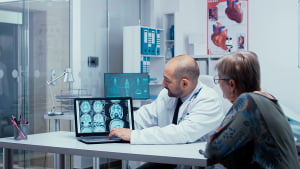
 Artificial intelligence (AI) has the potential to bring many benefits to the medical field, and certainly in the area of radiology this is the case.
 Researchers at Penn State University in the US have developed a new medical imaging technique for a multishot lensless camera that is based on a reconfigurable mask technology.
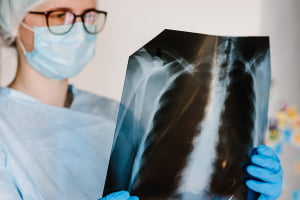 A four-year study by the University of Strathclyde has developed a medical image processing framework that matches up information and scans from varied sources to present a clearer image to help oncologists treat lung cancer tumours with greater efficiency.
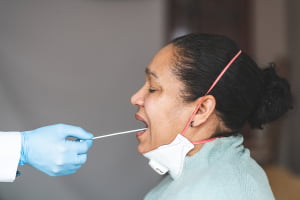 A secure digital health passport system costing £15 per head could hold the key to reducing social distancing at sports and entertainment venues, according to Manchester-based developers, VST Enterprises Ltd.
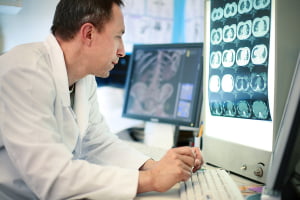 In a similar vein to many other industries, remote working has been around for many years, but the coronavirus pandemic has forced the hand of many holdouts to quickly create the infrastructure and roll-out remote working and viewing technology.
 With lockdown restrictions being rolled out around the world, many patients were left having to make difficult choices about how to continue with their various treatments.
 Some 20,000 deaths each year could be prevented through greater adoption of telemedicine and technology, helping save the NHS billions of pounds.
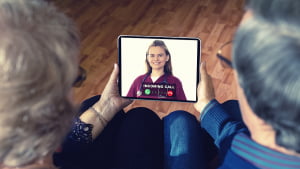 The pandemic has had an impact on all aspects of life and many changes are expected to be seen over the coming months and years as a result of the coronavirus crisis.
 The use of digital technology across NHS Wales has accelerated over the last couple of months as a result of the pandemic, as healthcare providers work to ensure that people are still able to access advice and services from their homes.
The way that the NHS has responded to the coronavirus crisis could pave the way for a rise in the adoption of telemedicine, with technology being used increasingly to help healthcare professionals manage the pandemic.