A major research pathway in the world of medical imaging is in the field of artificial intelligence and machine learning, which are used to help doctors identify cell samples that potentially show signs of cancer.

There is a range of systems available, each rapidly evolving as AI permeates into many facets of life and evolves to meet the needs of various industries.

However, the earliest and most incredible example of this is how a system designed to scan for freshly baked bread and pastries became a major tool in some hospitals to help doctors efficiently scan for cancer in cell samples.

For context, Japanese bakeries do not sell packaged bread products, because bread in the open looks fresher and more appealing.

With these bakeries expanding their product ranges dramatically, it was getting increasingly difficult for customer service staff to efficiently serve customers as they needed to memorise a lot of different pastry types.

In 2007, a lot of scanning systems relied on barcodes or used somewhat rudimentary AI recognition technology that typically could only recognise standardised shapes and designs, which given that baking is not always consistent, led to confusion.

Enter BakeryScan, an advanced AI scanning system that could be trained to accurately detect different types of bread, work out when a pastry had ripped or was two separate items, could detect different bread items touching and was heralded for its accuracy by the baking world.

However, a decade later, a doctor based at the Louis Pasteur Centre for Medical Research in Kyoto had a brilliant idea. As cancer cells could in some cases look similar to these pastry products, a custom baking scanner could be used to efficiently look for cancer cells.

This led to the development of Cyto-AiSCAN, which uses the same technology to analyse an entire slide of cells with an accuracy level of 99 per cent, allowing for quicker cancer diagnoses and potentially saving countless lives in the process.

There are many kinds of medical imaging used today, but what is medical imaging and how does it work?

Read more

The NHS is trying to reduce waiting times for patients by introducing artificial intelligence (AI) tools called ChatBot. 

Read more

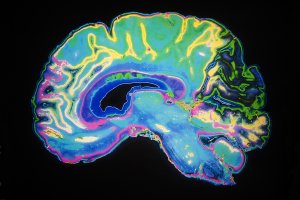
After decades of studies and speculations, medical imaging research has shown the effects that medications containing steroids can have on the brain.

The study, published in the British Medical Journal, found that there was a connection between steroid use and reduced white matter integrity, and this could have major implications for long-term prescriptions of steroid medication.

In the brain, the white matter is the densely packed bundles of nerve fibres that work to coordinate the different brain regions and have a major effect on brain functions and learning, and so decreased integrity can have notable neuropsychiatric effects.

The study noted that people who regularly use glucocorticoid, a steroid commonly used in inhalers to help mitigate asthma symptoms, would appear to be more restless, lethargic, disinterested and show depressive symptoms compared to people who do not use them or only occasionally inhale them.

This study helps to confirm and clarify the reasons why steroids can have a strong effect on mental health, particularly for long-term users and steroid abusers.

Historically, steroid users have commented on a range of different mental health effects, including depression, mania, increased impulsive behaviour, increased aggression (that would sometimes manifest in “roid-rage” outbursts, increased anxiety, paranoia and psychosis.

As well as this, some steroid users reported feeling addicted or psychologically dependent on them, partly due to neuropsychiatric factors but also due to their perceived effects.

Specifically, glucocorticoids are amongst the most widely prescribed anti-inflammatories on the market and are used not only to treat asthma but also Crohn’s Disease, eczema, lupus, tendinitis, multiple sclerosis, allergies and arthritis.

It should be noted that these steroids are only used in certain types of prescribed inhalers, rather than the rescue inhalers commonly used to immediately open an airway during an asthma attack and use muscle relaxing medication.

More research is required, and no dramatic action should be taken yet, as other studies need to show how long the reported effects can last and whether they are permanent.

After decades of studies and speculations, medical imaging research has shown the effects that medications containing steroids can have on the brain.

The study, published in the British Medical Journal, found that there was a connection between steroid use and reduced white matter integrity, and this could have major implications for long-term prescriptions of steroid medication.

In the brain, the white matter is the densely packed bundles of nerve fibres that work to coordinate the different brain regions and have a major effect on brain functions and learning, and so decreased integrity can have notable neuropsychiatric effects.

The study noted that people who regularly use glucocorticoid, a steroid commonly used in inhalers to help mitigate asthma symptoms, would appear to be more restless, lethargic, disinterested and show depressive symptoms compared to people who do not use them or only occasionally inhale them.

This study helps to confirm and clarify the reasons why steroids can have a strong effect on mental health, particularly for long-term users and steroid abusers.

Historically, steroid users have commented on a range of different mental health effects, including depression, mania, increased impulsive behaviour, increased aggression (that would sometimes manifest in “roid-rage” outbursts, increased anxiety, paranoia and psychosis.

As well as this, some steroid users reported feeling addicted or psychologically dependent on them, partly due to neuropsychiatric factors but also due to their perceived effects.

Specifically, glucocorticoids are amongst the most widely prescribed anti-inflammatories on the market and are used not only to treat asthma but also Crohn’s Disease, eczema, lupus, tendinitis, multiple sclerosis, allergies and arthritis.

It should be noted that these steroids are only used in certain types of prescribed inhalers, rather than the rescue inhalers commonly used to immediately open an airway during an asthma attack and use muscle relaxing medication.

More research is required, and no dramatic action should be taken yet, as other studies need to show how long the reported effects can last and whether they are permanent.

Scans can have all kinds of medical benefits in diagnostics – but sometimes these can be unexpected.

Read more

The Institute of Cancer Research has shortlisted five pictures taken using medical imaging equipment to highlight the wide range of striking discoveries found using state-of-the-art diagnostic technology.

Read more

Scientists have created artificial intelligence (AI) that can remove large kidney stones.

Read more

Artificial intelligence (AI) could help doctors predict bone fractures in cancer patients by creating a digital twin of their vertebrae.

Read more

Somerset NHS Foundation Trust is hoping that by using artificial intelligence (AI), it can reduce the time between cancer screenings and, subsequently, diagnose patients at a faster rate.

Read more